
Trust is the Bridge to Influence

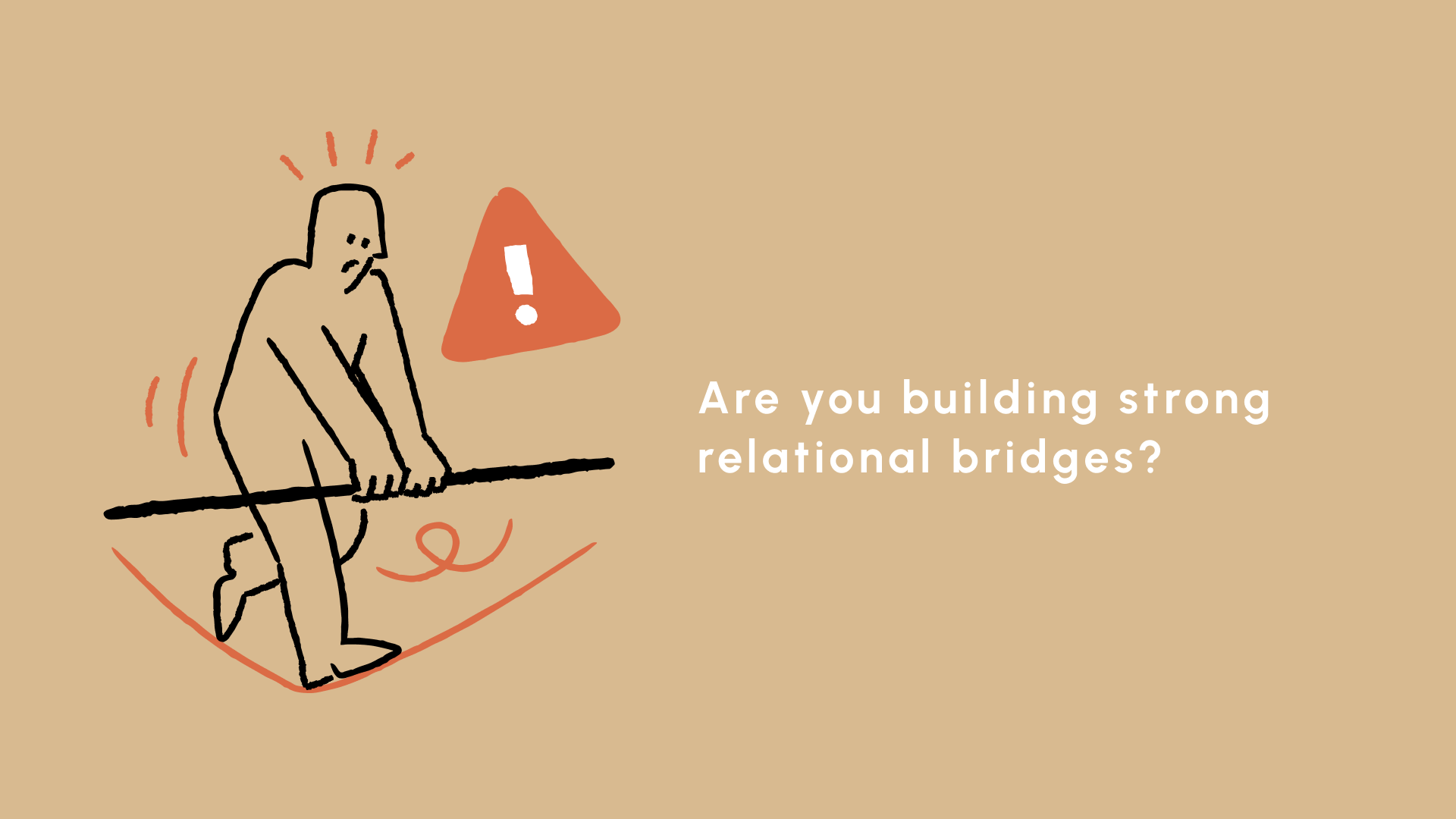
Trust is a word we often use casually, but it is a complex concept deeply embedded in our daily interactions. Whether we are trusting the driver in the next lane, our colleagues at work, or our friends, trust serves as a vital bridge connecting people’s thoughts, ideas, and actions.
In today’s digital age, trust holds even greater significance because so much communication happens asynchronously. Still, real-time, face-to-face interaction remains essential for fostering high levels of trust, as emphasized by UCLA Psychology Professor Emeritus Albert Mehrabian.
How Trust Works
Trust is distinct from faith. Trust is earned over time through reliability, experience, and evidence, while faith relies more on belief and hope. Trust involves two imperfect people engaging in a relational process. The trustor and trustee each build from their side of the bridge until they meet in the middle. A miscalculation can create missed expectations and reduce the bridge’s ability to hold the relationship’s weight.
Trust has to be reciprocal. Before I build my bridge toward you, I need to observe your ability to build bridges with others. Without that observation, I have to rely on faith to believe and hope you will connect with me. This is where those who work with untrustworthy people lean on their “faith in humanity” to move forward in the relationship.
How Trust Impacts Your Leadership
In leadership, trusting others enhances influence and fosters genuine connection. Leaders who fail to extend trust often lose influence because they are unwilling to be vulnerable. Vulnerability, like a puppy submitting to a larger dog, signifies genuine trust. Leaders must demonstrate vulnerability by showing their soft underbelly rather than assuming dominance.
My work involves cultivating healthy leadership and healthy cultures, and trust—or its absence—often rises to the surface quickly. For instance, one client eroded trust within his team by taking an unannounced leave and failing to communicate his reasons clearly. His sporadic attempts at communication only made the situation worse, deepening mistrust and confusion. Left to speculate on their own, the team imagined scenarios worse than reality. Despite the leader’s later efforts to apologize and provide clarity, rebuilding trust remains an ongoing process. Trust is earned, not given.
Where should we start?
Today, reflect on where you can increase trust and, therefore, increase long-term influence. Here are four questions I like to regularly think through regarding my own relationships.
- What intentional steps do I need to take to build trust in your closest relationships?
We often focus on building trust with people who are far away. But intentionally building trust with those closest to us builds a foundation that other relationships can build upon. - Where has trust been strained or broken and how can I take steps to repair it?
Don’t disregard or throw away the relationships where trust has been strained. The bridge building materials are all still there. Don’t let all your work go to waste. Have conversations, find alignment, a rebuild trust. Don’t throw away the relational capital that is already there. - How can you lead in vulnerability?
With your customers, teammates, and those you lead, what would it look like to go first and bring a level of vulnerability to the table that is distinctive to you, your organization, or your industry? How could that change the potential in those relationships? - How can you strengthen the bonds of trust in your community?
What can you do with your neighbors and fellow community members to increase trust? What would happen if your community had strong relational bridges built between these connections? What would our world be like then?
My challenge for you is to go and find out how to build one more bridge today in your community. In forthcoming discussions, we will explore how deliberate actions can unlock the essential components of trust.
Real results
Leaders who've changed their game






Take the 5 Voices Assessment
Leading Others Starts with Self-Awareness. Take the 5 Voices Assessment to understand your voice and how you come across to your team.